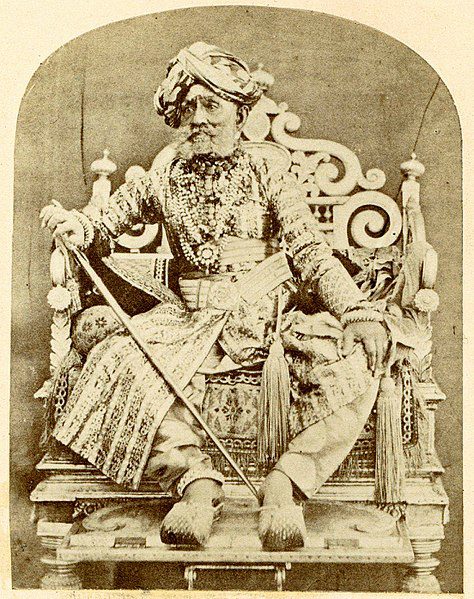
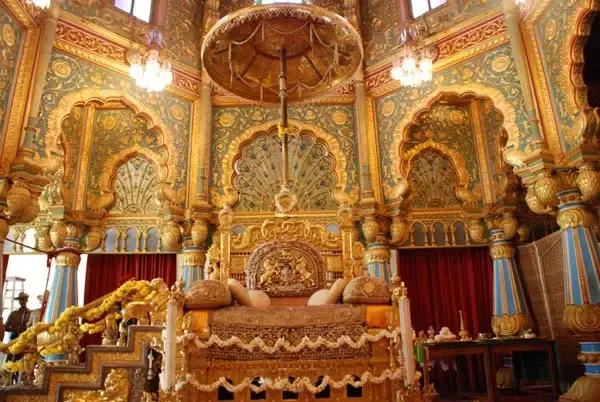
The Golden Throne, also called the “Chinnada Simhasana” or “Mysore Simhasana,” is the ceremonial throne of the Wadiyar dynasty. It is used only during special occasions, especially during the famous Mysore Dasara celebration. For centuries, it has remained a symbol of royal authority and tradition in Karnataka.
The throne is mainly made of wood and covered with gold plates. It is beautifully decorated with precious stones, detailed carvings, and artistic designs. Though the exact weight is not officially confirmed, it is believed that the gold covering alone weighs around 200 kilograms. Because of its beauty, craftsmanship, and royal importance, it is considered one of the most valuable ceremonial thrones in India.
Legends Connected to the Mysore Simhasana
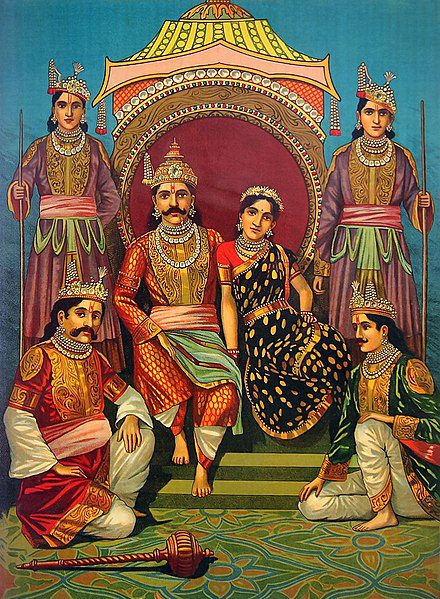
As per traditional stories, the Golden Throne is believed to have a connection with the epic Mahabharata. According to legend, the throne once belonged to Yudhishthira, the eldest of the Pandavas. It is said that the throne later travelled to South India and eventually came into the possession of the rulers of Mysore.
However, historians clearly mention that there is no strong historical proof to confirm this connection. These stories are part of local beliefs and oral traditions passed down through generations. Even though they are not historically proven, they add cultural depth and spiritual meaning to the throne.
Historical Background of the Throne
The documented history of the Golden Throne is connected to the Wadiyar rulers of Mysore. In 1610, Raja Wadiyar I shifted his capital from Srirangapatna to Mysore. During the Dasara festival that year, he ascended the throne, establishing it as a royal symbol of sovereignty.
From that time onwards, the throne became an important part of royal ceremonies. Some historical accounts suggest that parts of the throne may have connections to the rulers of the Vijayanagara Empire, though clear written records from that earlier period are limited.
Changes Made Over Time
Over the centuries, the throne was renovated and enhanced by different rulers. During the reign of Krishnaraja Wadiyar III in the early nineteenth century, the throne was richly decorated with additional gold plating and precious stones. Later, Jayachamaraja Wadiyar ensured its preservation and made further improvements.
The present structure of the throne has seven steps leading to the main seat, known as the “Koormasana.” It features carvings of lions, elephants, horses, flowers, and divine figures. A golden umbrella is placed above the throne, symbolising royal authority and divine protection. The detailed craftsmanship shows the exceptional skill of traditional artisans.
The Golden Throne During Dasara
The Golden Throne is not displayed throughout the year. It is carefully dismantled and stored securely inside the palace. Only during the nine days of Mysore Dasara is it assembled and placed in the Durbar Hall for ceremonial rituals.
In earlier times, the king would sit on the throne during important royal ceremonies. Today, the head of the Wadiyar family performs symbolic rituals to continue the tradition. During the famous Jambu Savari procession, it is important to note that the throne is not carried on the elephant. Instead, the idol of Goddess Chamundeshwari is placed inside a golden howdah and taken in procession. The throne itself remains inside the palace during the celebrations.