
- Location: South Bangalore
- Garden Size: Around 240 acres
- Best Time: Early morning or late afternoon for walks; flower show during January/August
- Highlights: Glass House, Lalbagh Lake, Lalbagh Rock, Bonsai Garden, Flower Show displays
Ask any Bangalorean which place they prefer to hang out on a weekend with family, and I am sure most would answer “Lalbagh.” It has been that place for me too. Now I have lost count of how many times I have visited Lalbagh.
When I was new to Bangalore, I used to go there with my brother, with colleagues, with friends — literally anyone who came to meet me from my family, I would take them to Lalbagh. That’s how special it became for me.
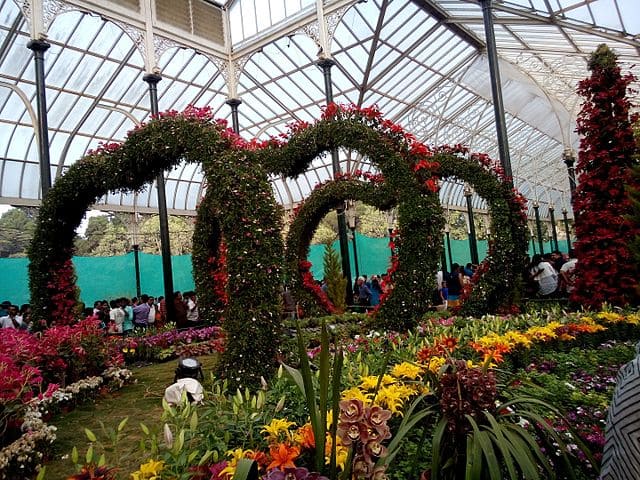
Later, I started going for the flower shows at Lalbagh, which are held twice a year. Whenever those dates come, I make sure to plan my visit.
But before I tell you more about how I like to visit Lalbagh, let me explain what this place really is — its history, why it exists, and how it became what it is today.
What Lalbagh Really Is
Lalbagh Botanical Garden is a large garden in South Bangalore, spread over about 240 acres — that’s almost a square kilometre in the middle of the city. It is one of the oldest botanical gardens in India and is famous for its huge variety of plants, trees, flowers, and historical structures.
The garden has more than 1,800 species of plants, including many rare and exotic ones from different parts of the world. Many of the trees and plants here are over 100 years old, and some are much older.
Lalbagh is not just a park — it is a living botanical heritage of Bangalore and a favourite natural escape for families, joggers, photographers, bird watchers, and students.
History — How Lalbagh Came Into Existence
The story of Lalbagh goes back to the 18th century.
It was commissioned by Hyder Ali in 1760 — the ruler of the Kingdom of Mysore at that time. He wanted a large garden inspired by Mughal gardens, especially the ones he had seen in other cities like Sira (near present-day Tumakuru district).
Hyder Ali’s plan was not just for a small garden — it was meant to be a royal garden, with beautiful flowers, trees, water canals, lawns, and shaded paths. He brought in gardeners and workers to grow plants and flowers that were not common in this region.
After Hyder Ali’s death, his son Tipu Sultan continued the work and expanded the garden. Tipu Sultan brought plants and seeds from different parts of the world — Africa, Central Asia, Europe, and more — and planted them here. That is why you see so many exotic species in Lalbagh today.
The name Lalbagh literally means “Red Garden” in Persian/Hindustani. Some historians say it was called Lalbagh because of the red roses that grew in large numbers here.
After Tipu Sultan’s rule ended in 1799, Lalbagh came under British control. The British used it as a botanical garden and continued to plant new species here. In 1856, Lalbagh was officially declared a Government Botanical Garden under the Mysore administration.
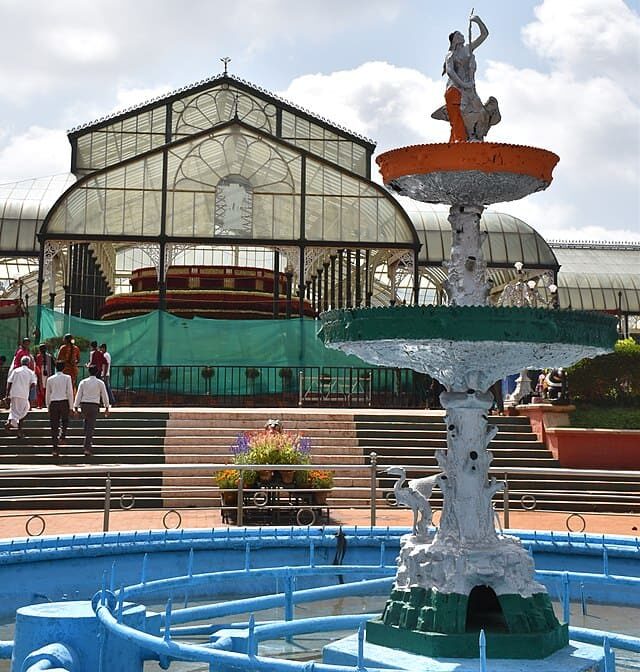
The famous Glass House — which is the centrepiece of the flower shows today — was built later in 1889. It was inspired by the Crystal Palace in London, and since then has been a key structure in Lalbagh.
One unique natural feature in Lalbagh is the Lalbagh Rock — a huge granite formation that is more than 3,000 million years old, making it one of the oldest rock formations on Earth. A watchtower built by Bengaluru’s founder, Kempe Gowda II, stands on top of this rock.
Why Lalbagh Is Special
Lalbagh is not just about history and old trees — it is also about how people live with it today.
Here’s what makes it special:
Nature and Trees — You can find rare plant species brought from far-off places, centuries-old trees, wide lawns, and shaded paths.
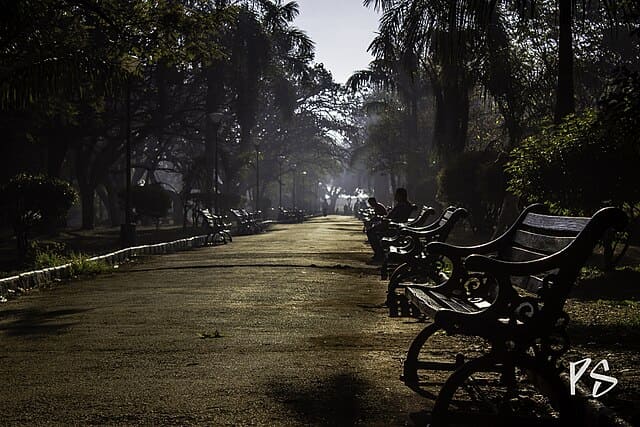
Photography and Walks — Every part of Lalbagh feels like a natural backdrop perfect for photos and long walks.
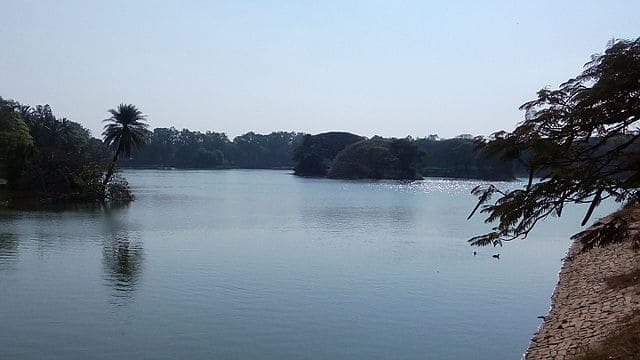
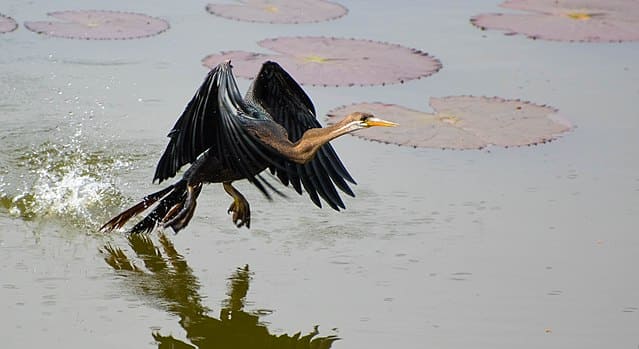
Bird Watching — The lake and trees attract many bird species, making it a good spot for bird watchers.
Flower Shows — The biggest attractions are the bi-annual flower shows held at the Glass House on Republic Day (January) and Independence Day (August). These events draw lakhs of visitors every year.
My Personal Experience
When I first came to Bangalore, Lalbagh became my go-to place. I remember going there with my brother, with colleagues after work, with friends on weekends, and sometimes even alone just to walk around and enjoy nature.
Whenever someone from my family visited Bangalore, the first place I took them to was Lalbagh — no second thoughts.
Later, I started planning my visits around the flower shows. I remember the first time I saw the Glass House all decorated and filled with colourful displays. It was a different experience compared to a regular walk in the garden.
Over time, whether it was a morning walk, a photo session with friends, a slow evening stroll, or attending the flower show, Lalbagh became more than just a garden to me. It became a place where I felt connected to the city.